
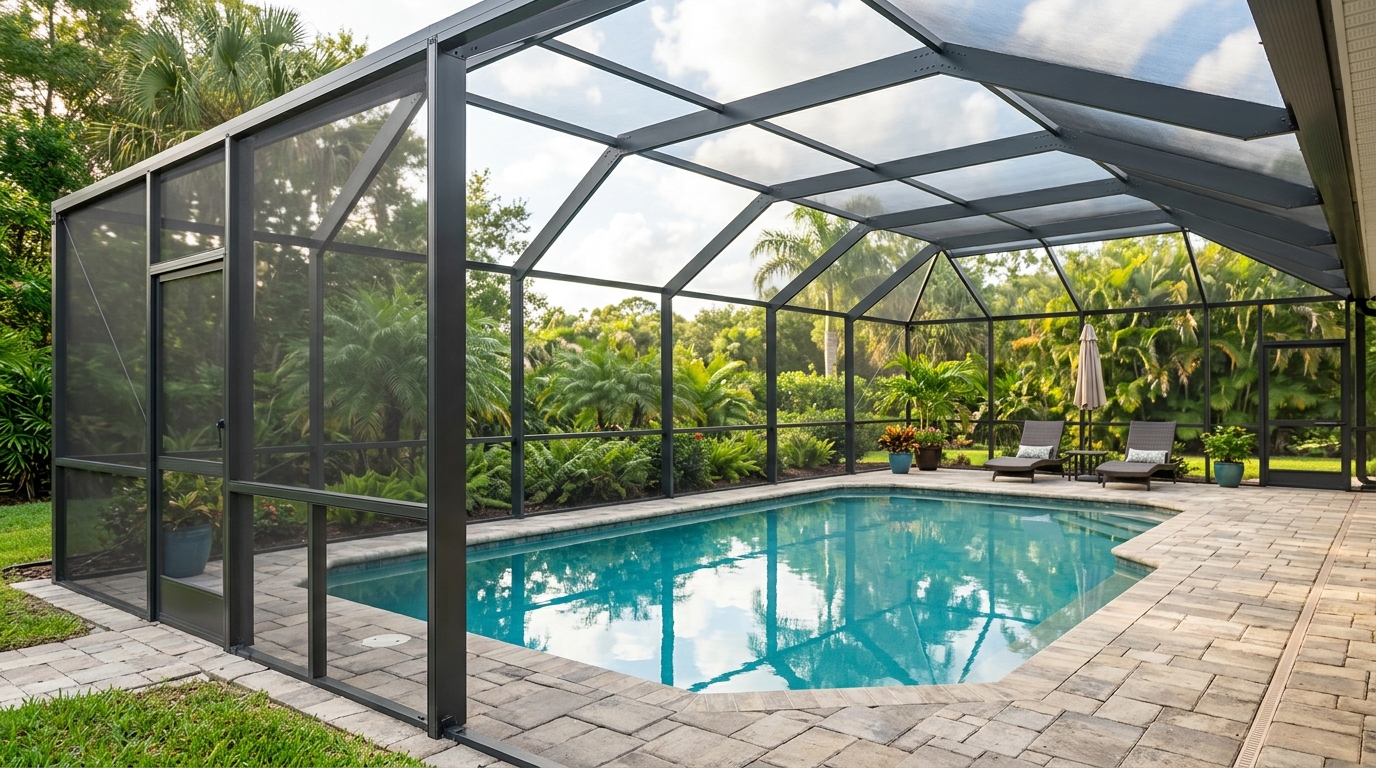
An aluminium pool enclosure is a serious investment. It extends your swimming season, protects your water from debris, and adds genuine value to your property. But like any exposed structure, it faces a steady barrage of environmental challenges that, left unaddressed, can shorten its lifespan and compromise its appearance.
The good news is that most of the damage is entirely preventable. You just need to know what to look for and how to respond before small problems become costly ones.
Bird Droppings: More Than a Cosmetic Nuisance
Bird droppings are probably the most underestimated threat to an aluminium enclosure. They look unpleasant, but that is only the beginning of the problem. Pigeon and gull droppings are highly acidic and can begin attacking surface coatings and seals within days if left in place.
On powder-coated aluminium frames, prolonged contact with droppings can degrade the coating, leaving the bare metal exposed to moisture and oxygen. Once corrosion takes hold, even at a micro level, it accelerates. Areas around joints, fixings, and drainage channels are particularly vulnerable because droppings tend to accumulate there and stay damp.
There is also a health dimension worth taking seriously. Breathing in dust or dried particles from contaminated bird droppings can introduce bacteria and pathogens into your pool environment. For a structure that sits directly above a body of water where people swim, that is not a risk worth ignoring.
Organic Buildup and Seasonal Debris
Beyond birds, the slow accumulation of organic material poses its own threat. Leaves, moss, algae, lichen, and general airborne grime build up on glazing panels and frame sections throughout the year. In the UK climate, damp conditions mean this process happens faster than many owners expect.
Moss and algae retain moisture against the surface they colonise. On aluminium, this sustained contact creates conditions that encourage oxidation. On polycarbonate or glass glazing panels, organic staining can become very difficult to remove once it has set, and aggressive scrubbing risks scratching the surface.
Drainage channels and guttering within the enclosure structure deserve specific attention. Blocked channels allow water to pool against frames and fixings rather than drain away cleanly. In winter, this standing water can freeze, placing stress on joints and seals that would otherwise last for decades.
UV Exposure and Weathering Over Time
The UK is not famous for intense sunshine, but UV exposure accumulates year-round, even through cloud cover. Over several years, UV degradation can affect both the powder coating on aluminium profiles and the clarity of polycarbonate glazing panels.
Signs to watch for include:
- Fading or chalking of the powder coat finish on frames
- Yellowing or surface hazing on polycarbonate panels
- Micro-cracking around seals, particularly on south-facing sections
- Stiffening or brittleness in any rubber or silicone gaskets
Catching these early means a relatively straightforward intervention. Ignoring them means water ingress, structural movement, and potentially the need to replace panels or sections of frame rather than simply treat or reseal them.
A Practical Cleaning Routine
Regular cleaning is the single most effective thing you can do to extend the life of your enclosure. A quarterly clean is a sensible baseline for most UK locations, with additional attention after periods of heavy bird activity or following autumn leaf fall.
For the frame, use a pH-neutral cleaner diluted in warm water, applied with a soft cloth or low-pressure sprayer. Avoid anything abrasive or solvent-based, which can strip powder coatings. Rinse thoroughly to prevent any cleaning residue from sitting in drainage channels.
For glazing panels, the same gentle approach applies. A soft sponge or microfibre cloth prevents scratching. If algae or moss has taken hold, a diluted specialist algae remover formulated for use on polycarbonate or glass is worth the small additional cost. Test any product on a small, inconspicuous area first.
When dealing with dried bird droppings, resist the urge to scrape them off dry. Soak them with warm water first to soften them completely, then wipe away gently. This protects the surface beneath and reduces the risk of releasing dried particles into the air around the pool.
Prevention Strategies That Actually Work
Cleaning reactively is important, but building in preventive measures reduces how much work is needed in the first place.
If birds are a persistent problem at your property, there are several practical deterrents worth considering:
- Stainless steel or polycarbonate bird spikes fitted to ridge lines and horizontal frame members where birds like to perch
- Tensioned wire systems stretched along the top of the enclosure, which birds find uncomfortable to land on
- Reflective deterrents hung near the structure during peak nesting seasons
None of these require significant modification to the enclosure and all can be fitted without affecting its appearance or function. The cost is trivial compared to the expense of repairing acid damage to frames or replacing degraded panels.
For organic debris, consider the planting around your pool area. Overhanging trees are a major source of leaf litter, sap, and bird traffic. Keeping branches cut back from the enclosure reduces the volume of material that ends up on the roof panels and in the drainage channels.
When to Call in Professional Support
Some maintenance tasks are straightforward for any attentive homeowner. Others benefit from professional attention. If you notice any of the following, it is worth getting an expert assessment rather than attempting a DIY fix:
- Visible corrosion on frame sections or fixings, even if it looks minor
- Seals or gaskets that show cracking or have begun to pull away from the frame
- Panels that have become discoloured in a way that cleaning does not resolve
- Any movement or flexing in the structure that was not previously present
Aluminium pool enclosures are engineered to last, but that longevity depends on the structure being properly maintained. A professional inspection every two to three years gives you an objective view of condition and catches developing issues before they escalate.
The Bigger Picture
A well-maintained enclosure does not just protect your pool. It protects the value of your property and the return on a significant capital outlay. The time and cost involved in routine cleaning and prevention are modest. The cost of neglect, over a five or ten year horizon, is considerably less so.
Treat your enclosure the way you would treat any quality piece of engineering: with regular attention, the right products, and a willingness to act quickly when something needs addressing. Done consistently, it is genuinely straightforward to keep an aluminium pool enclosure in excellent condition for the long term.
