
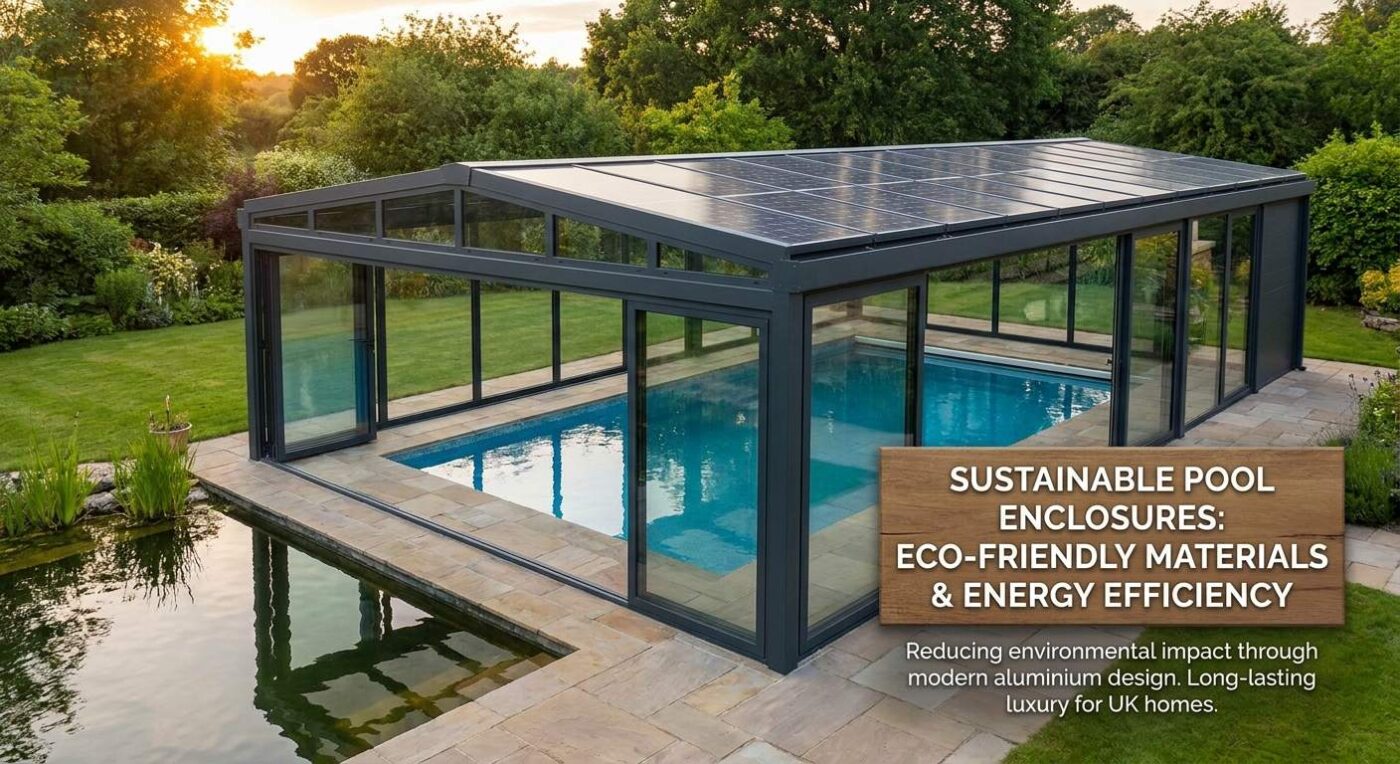
Aluminium pool enclosures have earned their place in the luxury garden market on the strength of convenience and aesthetics. What gets less attention is how much environmental sense they also make. From the raw materials used in manufacture through to the energy saved over decades of use, a well-engineered enclosure quietly reduces the ecological footprint of pool ownership in ways that a conventional outdoor pool simply cannot match.
Aluminium: A Material Built for Circularity
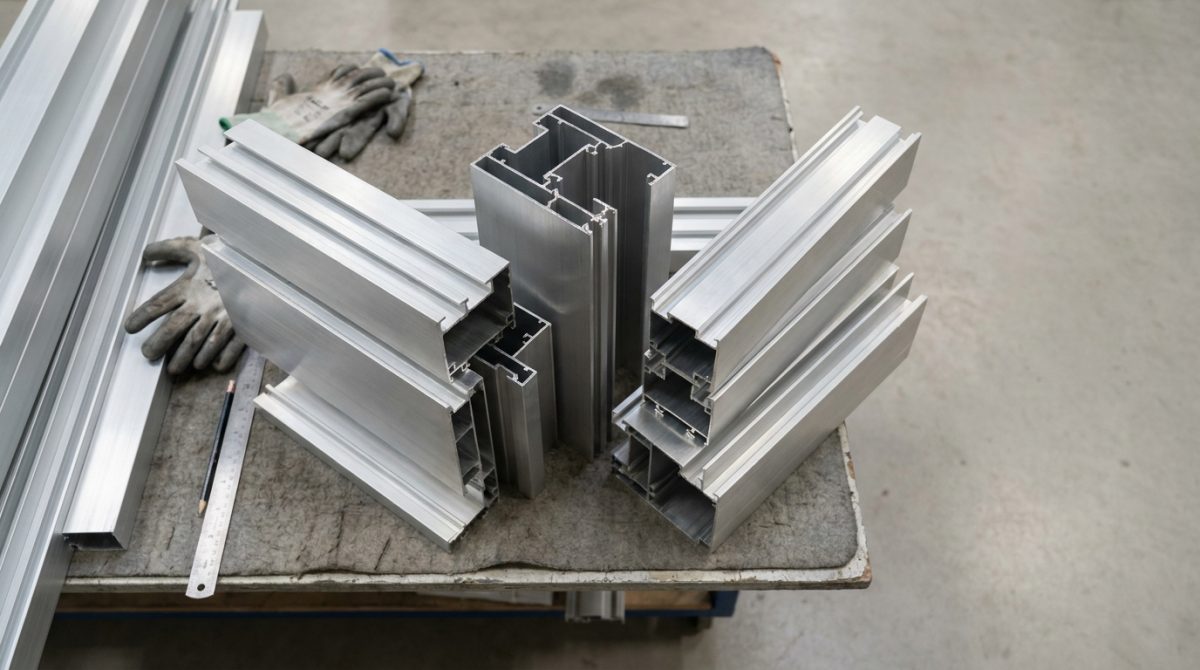
Aluminium is one of the most recyclable materials on the planet. Unlike many composite building products, it can be melted down and reformed without any meaningful loss of structural integrity, and that process uses roughly 95% less energy than producing primary aluminium from bauxite. When a pool enclosure eventually reaches the end of its working life, its frame is a valuable, recoverable resource rather than landfill.
That recyclability is not just a theoretical end-of-life benefit. Much of the aluminium used in modern extrusion manufacturing already contains a significant proportion of recycled content, reducing embodied carbon from the outset. For buyers who want to account for the full lifecycle of a purchase, this matters. Choosing an aluminium enclosure over alternatives made from PVC or mixed composites is a measurable step in the right direction.
The alloys used in structural enclosure extrusions are also inherently corrosion-resistant, which means no ongoing use of protective chemical coatings and no degradation that would release microplastics or leachate into the surrounding garden environment. The material simply performs without needing much from you.
Passive Solar Gain and the Energy Equation
Heating an outdoor pool in the UK is expensive and carbon-intensive. A gas heater working to maintain a comfortable temperature against cold autumn air and wind chill is fighting a losing battle for much of the year. An enclosure changes that equation entirely by trapping solar gain and dramatically cutting heat loss from the water surface.
The mechanism is straightforward. Glazed panels allow shortwave solar radiation to pass through and warm the pool water and surrounding air. That warm air is then contained rather than dispersed by wind. The result is a microclimate inside the enclosure that can sit several degrees above the ambient outdoor temperature, meaning the heating system runs for far fewer hours to reach the same water temperature. This is not a marginal saving. Studies on retractable structures consistently show that natural solar heating substantially lowers energy consumption across the swimming season.
Evaporation is another underappreciated energy drain. An unenclosed pool loses heat primarily through evaporation from the water surface, and topping up evaporated water puts additional demand on the chemical balance and filtration systems. An enclosure reduces evaporation significantly, cutting both water consumption and the chemical load needed to maintain clean, balanced water. Arch Enclosures notes that enclosures greatly reduce pool water evaporation and the water required for topping up, making them a genuinely water-conserving structure over their lifetime.
For owners who want to go further, pairing an enclosure with dedicated solar technology is increasingly practical. You can read more about solar integration design and how thermal performance compounds when the two approaches are combined.
Reducing Chemical Use Without Compromising Water Quality
An enclosed pool is a protected pool. UV radiation from direct sunlight degrades chlorine rapidly, which is why outdoor pools in hot weather can require heavy chlorination to stay safe. By filtering UV exposure through the enclosure glazing, the chemical breakdown process slows considerably. Less chlorine is consumed, which means fewer deliveries of chemicals, less handling of hazardous substances, and a lower release of chloramines into the air around the pool.
Debris is the other major driver of chemical imbalance. Leaves, grass clippings, insects, and organic matter all consume sanitiser and feed algae growth. An enclosure prevents the vast majority of this contamination, meaning filtration systems work less hard and chemicals go further. Arch Enclosures’ own technical guidance confirms that algae development through UV photosynthesis is reduced and that enclosures protect pools from rain that would otherwise upset pH levels.
Reduced chemical use also translates directly to less plastic packaging in the recycling bin, fewer chemical deliveries with their associated transport emissions, and a healthier swimming environment for the people using the pool. These are practical, cumulative gains rather than abstract sustainability claims.
Longevity as an Environmental Choice
The greenest product is usually the one you do not have to replace. A cheaply made enclosure that fails within a decade represents wasted materials, wasted manufacturing energy, and wasted money. Premium aluminium structures engineered to exacting standards are built to last significantly longer, and their durability is one of the most important sustainability credentials they carry.
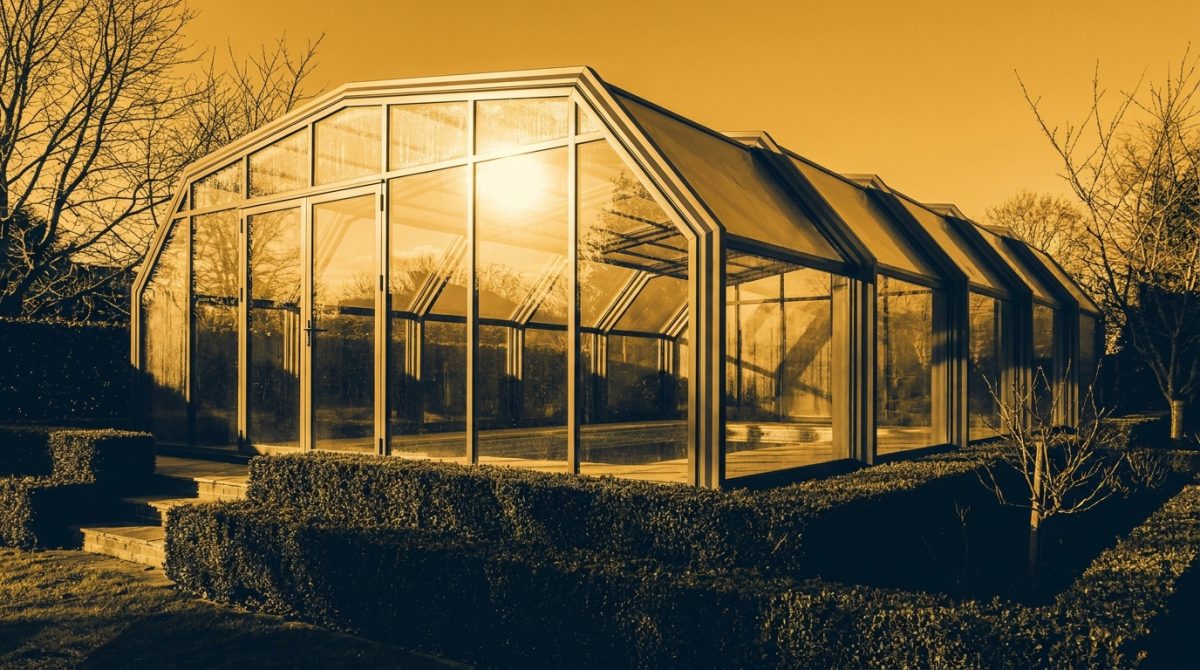
Arch Enclosures backs its products with a ten-year warranty, reflecting confidence in the structural and finishing quality of the aluminium work. Powder-coated aluminium in a properly specified grade resists corrosion, UV degradation, and the humid chemical environment of a pool enclosure without needing periodic repainting or surface treatment. The maintenance requirement over a decade is minimal compared to timber or steel alternatives.
This longevity calculus applies to the pool itself, too. An enclosed pool is shielded from freeze-thaw stress, UV degradation of liners and finishes, and the mechanical damage caused by wind-driven debris. Pool infrastructure that lasts longer uses fewer replacement materials and generates less construction waste. The enclosure is, in that sense, protecting its own sustainability credentials by protecting everything inside it.
Wildlife, Biodiversity, and the Broader Garden Environment
Open outdoor pools create hazards for wildlife. Hedgehogs, frogs, and birds are attracted to water and can become trapped or harmed. An enclosure removes that risk almost entirely by preventing access. This is a small but genuine environmental benefit, particularly in rural and semi-rural settings where gardens connect to wider wildlife corridors.
Chemical runoff is also worth considering. When pool water splashes out or overflows during heavy rain, the diluted chemicals can reach garden soil, drainage systems, and eventually watercourses. A contained, lower-chemical-use pool inside an enclosure significantly reduces that risk. The combination of reduced water loss through evaporation and reduced chemical concentration means any water that does leave the pool environment is far less harmful than runoff from a heavily treated outdoor pool.
The Commercial Case for Sustainable Specification
For commercial operators, hotels, leisure centres, and holiday parks, sustainability credentials are increasingly important in procurement decisions. Energy Performance Certificates, ESG reporting commitments, and the preferences of environmentally aware guests all push towards lower-impact infrastructure choices. An aluminium enclosure that can be specified with precise thermal performance data, documented recycled material content, and a verified service life fits neatly into that framework.
The carbon footprint benefits of modern enclosures are tangible enough to support genuine claims rather than greenwashing. Reduced heating demand, lower chemical consumption, and extended pool infrastructure life all contribute to measurable reductions in operational carbon. For commercial buyers under pressure to demonstrate environmental responsibility, that matters.
There is also a straightforward financial dimension. Energy costs for pool heating are substantial. Any structure that reduces the hours a heat pump or boiler operates has a direct effect on running costs that compounds year after year. The intersection of lower bills and lower carbon is where sustainable design makes its strongest argument to any buyer, commercial or domestic.
Designing with Sustainability in Mind from the Start
The most effective sustainable outcomes come from thinking about enclosure design holistically rather than retrofitting green credentials onto an existing specification. Glazing orientation matters: a south-facing roof pitch maximises solar gain during winter months when heating demand is highest. Ventilation design matters: passive ventilation that reduces condensation without mechanical energy consumption keeps the internal environment healthy and reduces the load on dehumidification systems.
Material choices compound across a project. Specifying thermally broken aluminium frames rather than standard profiles reduces heat conduction through the structure. Choosing high-performance glazing units with appropriate solar control coatings balances heat retention in winter with overheating prevention in summer. These decisions are made at design stage, which is why working with a manufacturer that understands the thermal physics of enclosure systems produces significantly better real-world results than sourcing components without integrated expertise.
Arch Enclosures designs structures that treat energy performance and material quality as fundamental to the brief rather than optional additions. If you are thinking about integrating an enclosure with your wider garden and home layout, the sustainability and aesthetic considerations often reinforce each other. A structure designed to sit well in its environment tends to perform well in that environment too.
A Long-Term Investment Worth Making
Pool ownership has always carried an environmental cost. The honest conversation about sustainable luxury is not about whether pools have an impact but about how intelligently that impact is managed. A high-quality aluminium enclosure addresses the largest sources of environmental inefficiency in pool ownership: energy waste, water loss, chemical overuse, and premature infrastructure replacement.
For UK buyers investing in outdoor leisure, these are not peripheral concerns. Energy costs are significant, water scarcity is a growing issue in parts of the country, and the regulatory and social pressure to make considered environmental choices is only increasing. An enclosure that pays back in reduced running costs while simultaneously reducing resource consumption is not a compromise. It is the most rational version of the investment.
